
Lapis Lazuli: History, Meaning, Benefits, Color, and Pricing Guide

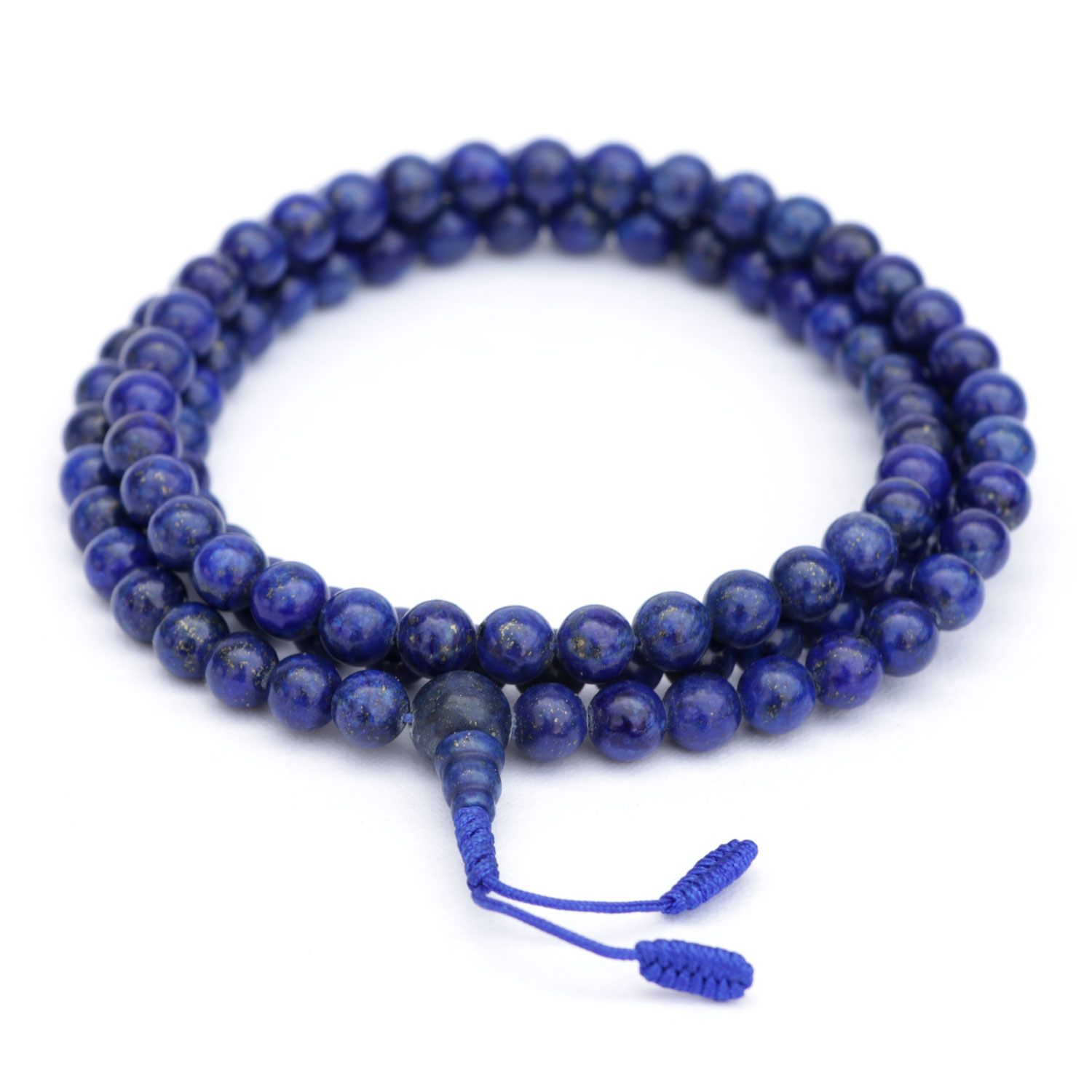
Lapis Lazuli is one of the world’s most ancient and celebrated gemstones, cherished for its rich, deep sky-blue hue and the sparkling golden flecks of pyrite that shimmer across its surface. For millennia, this stone has symbolized wisdom, truth, and spiritual insight. From the crowns of ancient royalty to modern healing altars, Lapis Lazuli continues to inspire, uplift, and guide those who connect with its powerful energy.
In this guide, we explore what makes Lapis Lazuli truly remarkable: its fascinating history, spiritual significance, gentle healing properties, distinctive color, value, and practical uses in daily life. This introduction offers a clear and elegant understanding of why Lapis Lazuli remains a beloved and revered gemstone. Next, we will delve deeper into the magic and unique qualities that make this stone so extraordinary.
What is Lapis Lazuli? Its Stone and Color Characteristics
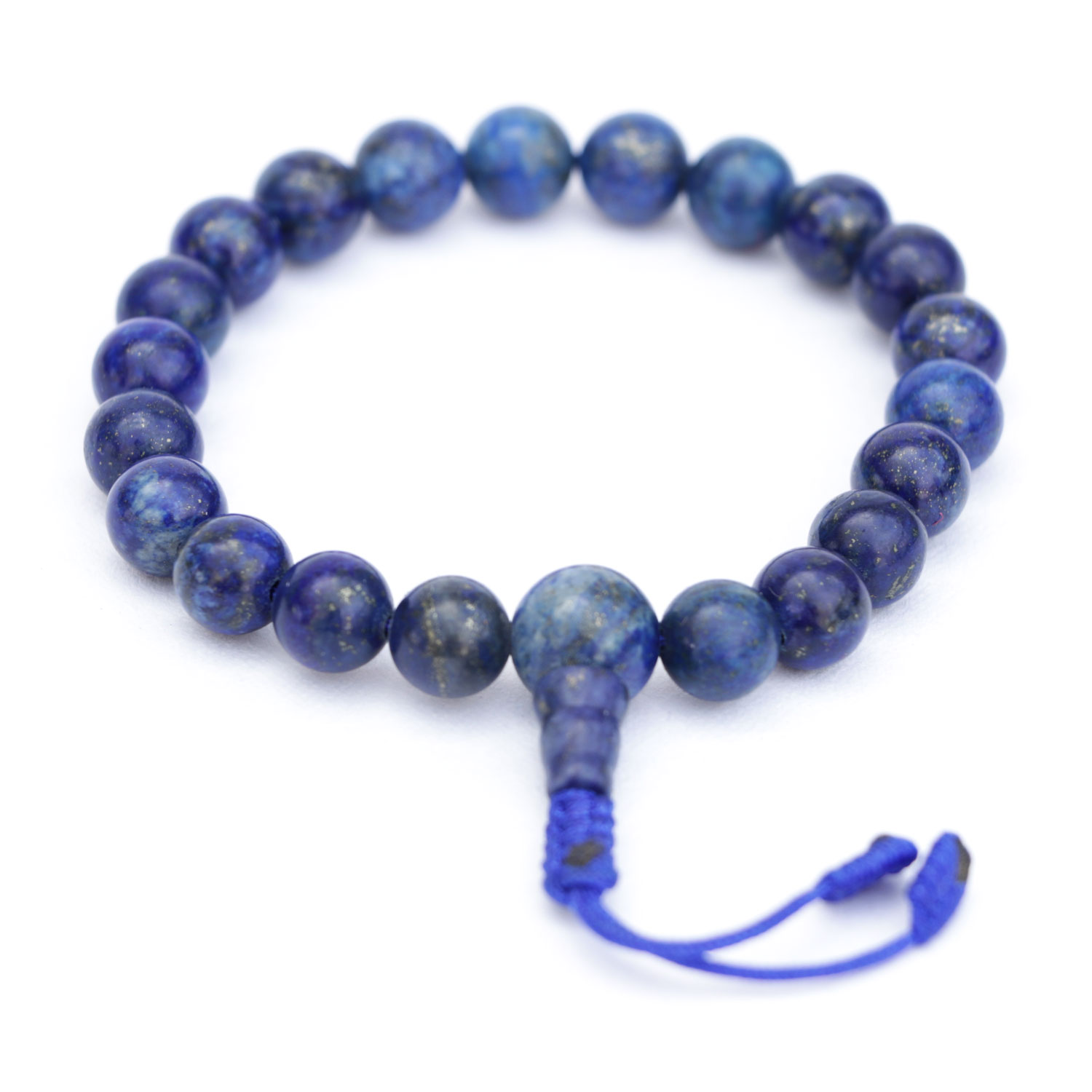
Lapis Lazuli is a striking gemstone, renowned for its rich, deep-blue hue and the shimmering golden flecks of pyrite that give it a celestial, night-sky appearance. As a natural stone formed from a blend of minerals, its shade, texture, and patterns can vary from piece to piece, making each stone unique.
Key Features:
- Color: Deep royal to midnight blue
- Fun Fact: Golden pyrite flecks resemble tiny stars
- Texture: Smooth, opaque, and often polished for jewelry
- Sources: Afghanistan (highest quality), Chile, Russia, Pakistan
Color Grades:
- Top Grade: Dark, smooth royal blue with minimal white calcite and small, polished pyrite flecks
- Medium Grade: Blue with noticeable pyrite and white streaks
- Low Grade: Pale or patchy blue containing more white calcite and minimal pyrite
In general, the darker and more uniform the blue, the more valuable the stone.
History and Significance of Lapis Lazuli
Lapis Lazuli has one of the most remarkable histories among gemstones, prized for both its beauty and spiritual significance for over 6,000 years. Ancient civilizations considered it a stone of truth, wisdom, and divine communication, and it is found in some of the world’s most sacred artifacts.
- Mesopotamia & Egypt: Lapis was revered as a royal and divine stone. Egyptian pharaohs used it in amulets, sculptures, and sacred ornaments. Cleopatra is said to have applied Lapis powder as eye makeup for its protective and enchanting properties. The golden death mask of King Tutankhamun is inlaid with Lapis, symbolizing its connection to the afterlife.
- Greece & Rome: Regarded as a source of protection and inner wisdom, Lapis was used in seals, signet rings, and jewelry to ward off negativity.
- Renaissance Europe: Artists ground Lapis into ultramarine pigment, the most expensive blue, reserved for sacred depictions, emphasizing divinity, purity, and spiritual depth.
Across cultures and centuries, Lapis Lazuli has symbolized honor, intuition, kingship, and truth, inspiring the mind and uplifting the spirit.
Spiritual Meaning and Metaphysical Properties
Lapis Lazuli is often called the stone of wisdom, truth, and inner awakening. Its deep blue energy promotes clarity of mind and spiritual elevation, helping one connect with inner knowledge.
Key Spiritual Associations:
- Deep Blue Color: Represents the heavens, truth, wisdom, and clarity
- Golden Pyrite Flecks: Symbolize stars, divine guidance, and cosmic connection
- Cultural Significance:
- Ancient Egypt: Protection and divinity
- Mesopotamia: Wisdom, truth, and power
- Greece & Rome: Honor and spiritual insight
- Renaissance Europe: Sacredness and divine purity
Metaphysical Properties:
Lapis Lazuli is believed to strengthen the mind and spirit, harmonize bodily energies, soothe emotional fluctuations, and protect the aura. It is widely used in meditation for insight, spiritual awakening, and self-discovery.
Healing Benefits of Lapis Lazuli
Lapis Lazuli is admired not only for its beauty but also for its gentle, nurturing energy. Many use it to promote healing on spiritual, emotional, and physical levels. Its deep blue vibrations foster clarity, calmness, and balance, making it ideal for meditation, self-awareness, and overall well-being.
Spiritual Benefits:
- Activates and opens the Third Eye chakra
- Enhances intuition and mental clarity
- Supports meditation and spiritual awakening
- Encourages connection with inner truth and wisdom
Emotional Benefits:
- Reduces stress, anxiety, and emotional tension
- Promotes self-esteem and authentic self-expression
- Helps release emotional blockages and old patterns
- Encourages honesty with oneself and others
Physical Benefits (Traditional Use, Not Medical):
- Supports throat and voice health
- Helps relax headaches and physical strain
- Promotes restful sleep and relaxation
- Assists in calming the nervous system
- Encourages a sense of peace, clarity, and overall energetic balance
Lapis Lazuli continues to be treasured across cultures for its ability to bring mental clarity, emotional stability, and spiritual insight, making it a timeless and beloved gemstone.
Common Uses of Lapis Lazuli
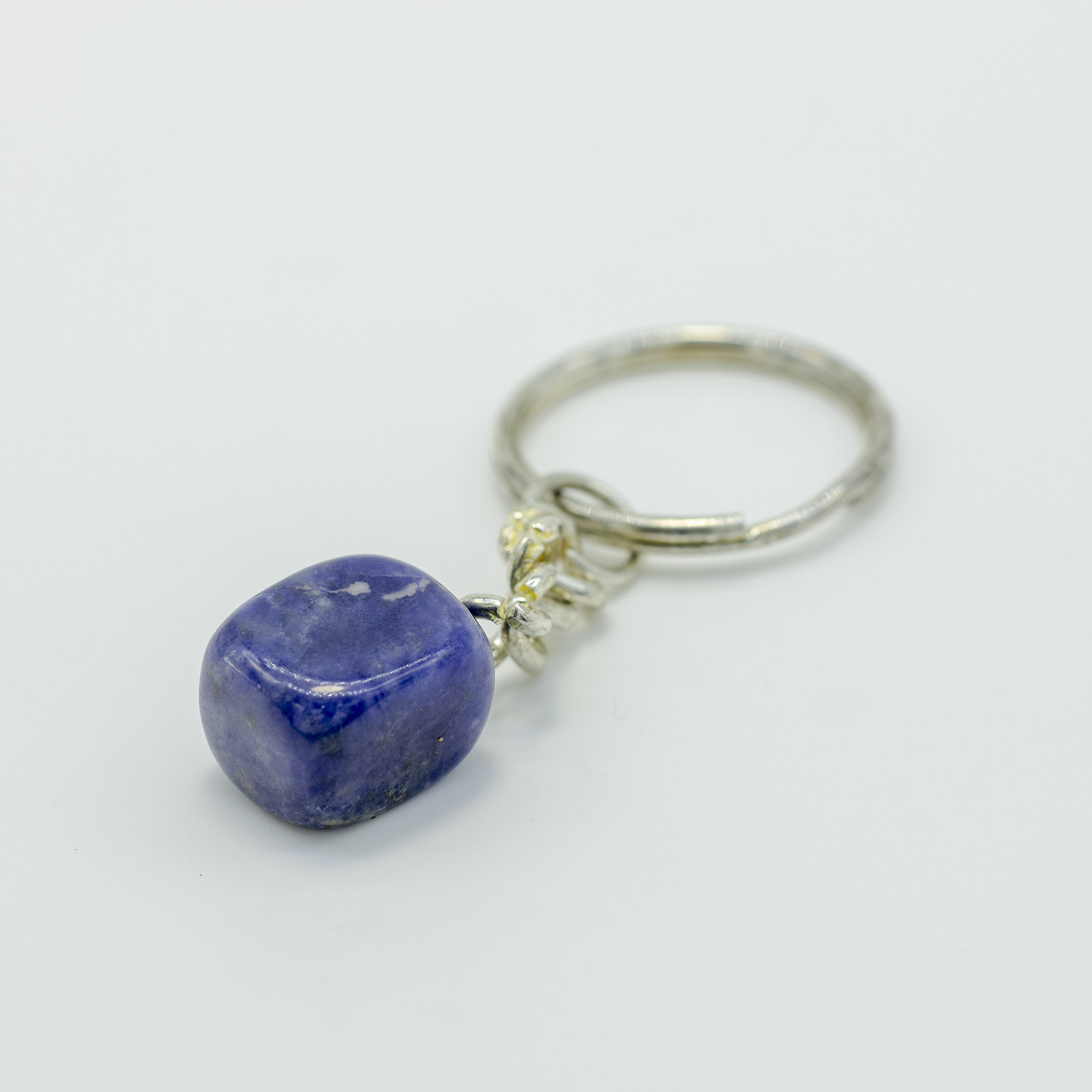
Lapis Lazuli is a versatile gemstone, valued for both practical and spiritual purposes. This stone finds its place in jewelry, home décor, meditation practices, and even modern entertainment such as gaming.
Jewelry: Lapis Lazuli is crafted into bracelets, rings, pendants, earrings, and mala beads, offering both aesthetic beauty and spiritual significance for everyday wear.
Home and Decorative Use: The stone is often carved into statues, ornaments, or inlaid into furniture and art pieces, adding elegance and symbolic meaning to spaces.
Spiritual Practices: Lapis is widely used in meditation and chakra healing. It can serve as worry stones, palm stones, or tools for energy work and crystal grids.
Lapis in Minecraft: Among younger audiences, Lapis Lazuli is popular in Minecraft for making blue dye, enchanting items, and creating decorative blocks.
Lapis Lazuli Color and Quality
The color, clarity, and mineral composition are key factors in determining the quality of Lapis Lazuli. Because it is composed of multiple minerals, each stone is unique.
Factors to Consider:
- Color Intensity: Rich, deep royal blue is the most valued, with strong lazurite presence.
- Presence of Pyrite: Fine, evenly distributed golden pyrite enhances beauty; excessive pyrite reduces quality.
- Amount of Calcite: Large white streaks or patches lower the stone’s value; minimal calcite is preferred.
- Texture and Finish: High-quality Lapis is smooth, dense, and polished; lower-grade stones may appear dull or chalky.
- Origin: Afghanistan, particularly the ancient Sar-e-Sang mines, produces the most prized Lapis Lazuli.
Lapis Lazuli Price and Buying Guide
Lapis Lazuli prices largely depend on color, pyrite, and calcite content. Lower-grade stones can cost a few dollars, while high-grade Afghan Lapis can range from $20 to $100+ per piece depending on size and craftsmanship. Ultra-grade gem-quality Lapis may cost hundreds of dollars, particularly in fine jewelry.
Many choose Lapis Lazuli jewelry—bracelets, rings, pendants, and malas—for its beauty and spiritual significance. Wearing Lapis daily can help enhance clarity, communication, calmness, and emotional balance. For authentic, handmade Lapis pieces, explore the carefully curated collection at Lotus Handicrafts, a leading distributor of Lapis Lazuli jewelry in Nepal.
Lapis Lazuli Buying Tips
When purchasing Lapis Lazuli, focus on quality and authenticity. Consider these tips to ensure you select genuine, energetically powerful stones:
- Choose stones with deep, even blue and minimal white patches
- Avoid overly bright or glassy blue stones—they may be dyed
- Purchase from trusted sellers with clear descriptions
- Check metal quality and craftsmanship for jewelry
- For bead bracelets or malas, ensure uniform color across all beads
Caring for Lapis Lazuli
Lapis Lazuli is soft and requires gentle care to maintain its color and luster. Proper care ensures your stones or jewelry remain vibrant for years.
Do’s:
- Wipe with a soft, damp cloth to remove dust and oils
- Store separately from harder gemstones to prevent scratches
- Avoid intense sunlight to prevent fading
- Cleanse spiritually through smoke, sound, or moonlight
Don’ts:
- Do not use salt water, harsh chemicals, or ultrasonic cleaners
- Avoid exposure to high temperatures that may crack or discolor the stone
- Do not drop or hit against hard surfaces to prevent chips or breakage
With careful handling, Lapis Lazuli can be cherished for generations.
Conclusion
Lapis Lazuli is more than a gemstone—it symbolizes wisdom, truth, and spiritual insight. Its celestial blue color, rich history, and metaphysical properties have inspired people for thousands of years. Whether worn as a bracelet, used in meditation, or admired as a decorative piece, Lapis Lazuli offers clarity, grace, and meaning that few stones can match.
For authentic, handmade Lapis Lazuli jewelry, visit the collection at Lotus Handicrafts, one of Nepal’s premier distributors of Lapis Lazuli malas and wrist malas. For personalized advice or assistance in selecting the perfect stone or jewelry, feel free to contact us. Our team is ready to help you find the Lapis Lazuli that aligns with your energy and intention.
Frequently Asked Questions (FAQ)
1. What makes Lapis Lazuli so special?
Its deep blue color, ancient history, and association with wisdom, truth, and spiritual insight make it highly prized. Kings, healers, and artists have cherished it for thousands of years.
2. Which Rashi can wear Lapis Lazuli?
It is commonly recommended for Sagittarius, though many wear it intuitively or for aesthetic purposes regardless of Rashi.
3. Which zodiac is Lapis Lazuli good for?
Primarily Sagittarius, and also compatible with Libra, Taurus, and Virgo due to its calming and communication-enhancing properties.
4. Why is Lapis Lazuli considered powerful?
Its mineral composition, historical significance, and connection to the Third Eye chakra contribute to its reputation as a stone for intuition, clarity, and emotional healing.